The answer to this question is rather complicated. If we look at just the alcohol consumption in the United States before and after Prohibition, we do see that directly after prohibition was enacted, alcohol consumption plummeted. In 1919, the consumption of pure alcohol per capita was about .8 gallons. In 1921, it was just over .2 gallons, as shown by Clark Warburton in the Economic Results of Prohibition.
However, in 1922, that went up to just above .8 gallons per capita, and a year later, it was nearly 1.2 gallons per capita.
What Warburton shows us is that leading up to prohibition, the amount of alcohol being consumed per capita was already steadily lowering. While the enactment of prohibition would make that rate plummet, directly after enactment, the rate would rise once again, and level off around 1 gallon per capita. According to the World Health Organization, that level today is just over 2.2 gallons per capita. Now, to be fair, that is pretty far below the all time high in 1830, which according to W.J. Rorabaugh, in Alcohol in America, was 7 gallons per capita.
As I said though, alcohol consumption had been on a decline for nearly a decade. And looking at the number, prohibition only seemed to reduce the amount of alcohol consumed for just a single year. After that, it would once again increase and level out around 1 gallon per capita for a substantial amount of time.
But we do have to jump back just a bit. Those numbers can be a bit misleading. Rorabaugh, for instance, mentions that in 1850, alcohol consumption had dropped in half from 1830. As he points out though, it wasn’t that Americans were drinking less per person, but that half the population had stopped drinking. So half the population continued to drink just as much.
However, as suggested, by 1910, alcohol was dropping, as shown by Warburton. Or more specifically, the consumption of pure alcohol, per capita, in gallons, was decreasing. That’s a bit misleading again though. From 1900 to 1913, Americans were actually drinking more alcoholic beverages, but what was happening is that the consumption of hard liquor was declining, while consumption of beer was rising, as Jack Blocker in Consumption and Availability of Alcoholic Beverages in the United States, 1863–1920 demonstrates. By the time prohibition had gone into effect, the consumption of beer and hard liquor was virtually equal. This meant less pure alcohol consumed per capita, but the amount of alcoholic beverages had gone up (it was just weaker).
And here comes a problem. Mark Thorton, in Prohibition was a Failure, shows that during prohibition, that changed. The consumption of beer nearly disappeared, while hard liquor again started being consumed in higher amounts.
All in all though, when it came to decreasing alcohol consumption, Prohibition just didn’t work. The reduction in consumption was short lived, and it soon rose to levels higher than what it was just prior to prohibition. That was also partly because before prohibition, in the decade leading up to that time, alcohol consumption was already lowering. What prohibition did do though is cause a spike in the consumption of hard liquor, and nearly destroyed the beer industry.
The outcome was even worse though. As Thorton points out, federal convicts had risen by 561 percent during the period of prohibition, prison populations rose by 366 percent. Two-thirds of all prison inmates had alcohol related charges.
Anneliese Anderson, in Organized Crime, Mafia and Governments, also shows that because of Prohibition, the growth of the mafia in the United States grew not only in scope, but also power. Prohibition created a major illegal market for alcohol, and that market was filled largely by the mafia.
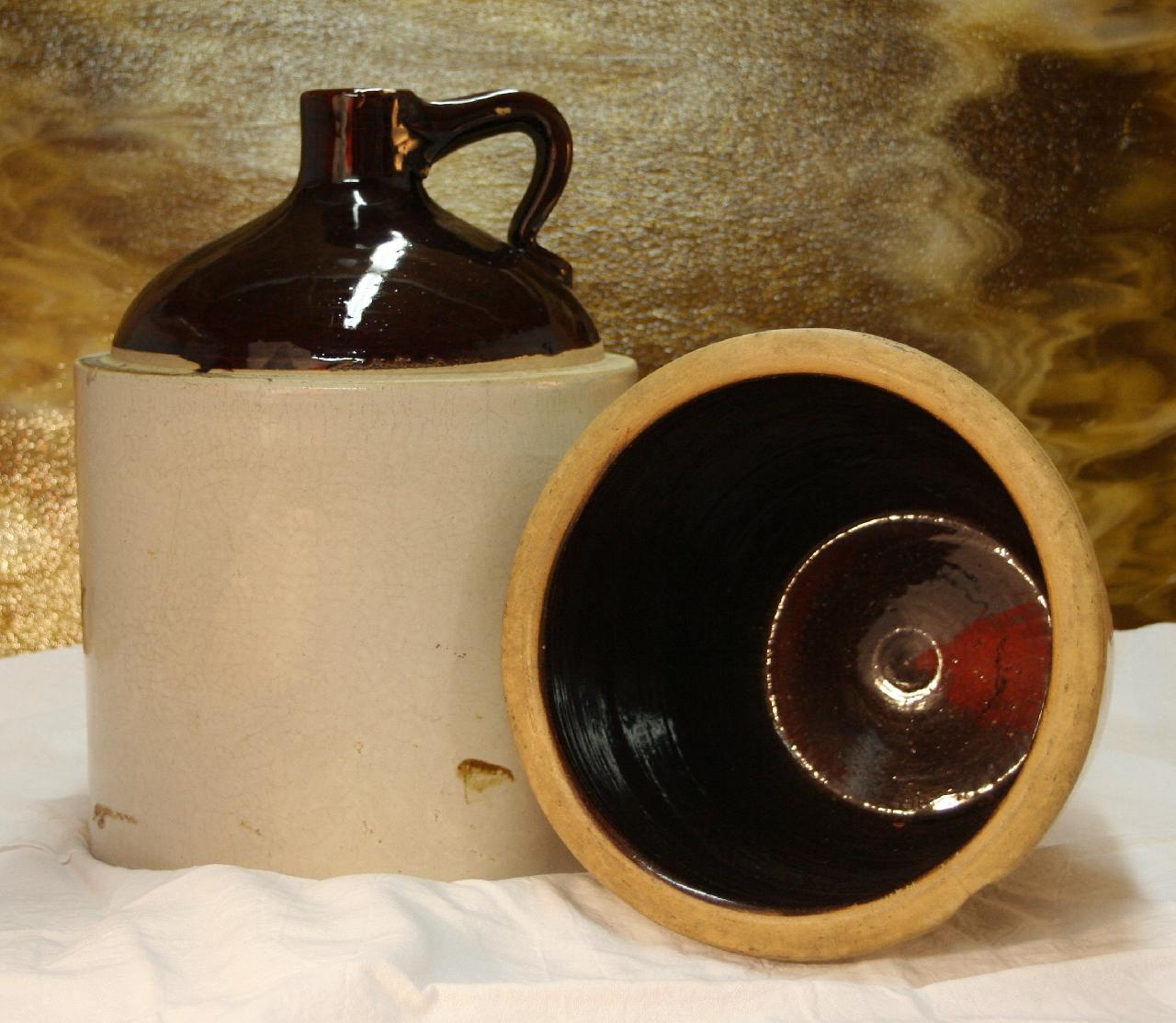
This is actually a very loaded question. For instance, can it actually be moonshine if it is legal? Many would say that it can’t be.
This is largely because the term moonshine, in and of itself, was associated with high-proof distilled spirits, that were produced illegally, without government authorization. What made a whiskey moonshine was that it was simply distributed illegally.
Now, moonshine is generally associated with a white whiskey, one that came to the U.S. with Scot-Irish immigrants, who made a clear, unaged whiskey, that, in English, was called the water of life. This alcohol was legal before prohibition, or could be legal (there were still liquor laws).
This sort of whiskey did not take on the name moonshine though until later on, and that was only as a slang term, which specifically associated it with being unauthorized by the government; by very definition of the slang term, moonshine was illegal. If it was legal, then it wasn’t moonshine by definition.
So the question becomes, if you legalize moonshine, is it moonshine? Some are adamant that it is no longer moonshine. However, the type of spirit that is associated with moonshine, generally a clear unaged whiskey (you can also have rum, or other high-proof distilled spirits as well) can be produced legally. So its the same liquor that is associated with moonshine, but whether one can call it moonshine is debated.
To sum up, moonshine, by the definition of the term, at least historically, has to be illegal. Moonshine is just a high-proof distilled spirit that is distributed illegally. This spirit can be different forms, but often is an unaged, clear, whiskey. The spirit itself has been made legally both before and after prohibition. Today though, there is a push to sell this spirit as a specific alcohol called moonshine, which changes the definition of the term.
This is some what of a complicated question because both civilizations would change their calendars from time to time. For instance, the Greeks had the Olympiad Calendar. It only counted years, and it did so by using the Olympic Games in order to figure out a count of how many years had passed. Hippias of Elis (according to Plutarch) had first established the sequence of Olympic Victors. He placed the starting date at the games of 776 BCE. But this calendar was only used for historical purposes.
Greeks also had a Seasonal calendar, but we probably wouldn’t see it as a true calendar as it didn’t really record years, but noted astronomical phenomena, during a given year, that had been witnessed.
Probably the most famous sort of Greek calendar was the Athenian Civil calendar. It is what they used that is closest to a true calendar in a sense. It regulated the various Athenian festivals during the year. This calendar didn’t use years like we know. They more attached it to the name of a yearly magistrates, or archon, and that was used to see the relation of one year to another.
For Rome, their Roman calendar began with the foundation of the city of Rome in 753 BCE. But that was used more by historians in order to see the number of years from one event to the next. More often then not, the year was given in the same manner as the Athenian calendar. It was associated with some consul. The Julian calendar would also adopt this as well.
It really wasn’t until the Gregorian calendar that you begin having a more standardized calendar. For Greece and Rome, they had multiple calendars. A great source on this is Lynn Hunt and his book, Measuring Time, Making History.
They weren’t. So probably not the answer you were looking for. But a recent study, that is really just expanding on what other studies have suggested, cats were never truly domesticated.
The study, published in 2017, titled: The palaeogenetics of cat dispersal in the ancient world, argues that cat DNA has changed very little over the millennia, with one distinct exception, the coloring pattern of the tabby. Even this exception though didn’t occur until the Middle Ages.
This wasn’t the first study that showed that basic idea. In 2013, another study titled The tiger genome and comparative analysis with lion and snow leopard genomes discovered that tigers and house cats shared 95.6% of the same DNA. This study said that they had diverged almost 11 million years ago.
Going back to the 2017 study though, what it related was that it was probably around 8,000 years ago that the cat started hanging around farming communities, and from there, got closer to humans because food was easier to get to. Basically, it was a mutually beneficial relationship, because with farming communities, you have more rodents, which gives cats an easy meal, thus ridding the farmers of the pest.
From there, the cat really spread, seemingly following maritime and terrestrial trade routes. Again, this was most likely mutually beneficial as the cats would continue to keep rodents and other pests out of the trade goods, either in a caravan or ship. This was especially true in regards to shipping routes, as the researchers found Egyptian cats, for example, in Viking areas. In other words, cats were appearing in places they shouldn’t be, and that led the researchers to conclude that they were catching a ride.
The study suggested that cats became “domesticated” mainly because cats just hung around, and domesticated themselves. However, they also make it clear that domestic cats and wildcats remain nearly identical. The big difference is that house cats are more tolerant. Part of this also is because, as the study argues, there was no need to try to change cats, as they were seen nearly perfect as they were. Unlike dogs, they weren’t selected to perform different tasks, and thus we don’t see the diversification in cats that we do in dogs.
So in many ways, it seems more like cats have befriended humans, instead of being domesticated.
History, at the most basic sense, is the study of the past. So literally, anything that is the past, including the immediate past, is history. The answer isn’t all that helpful though.
We can look at 9/11 as a good test case, since the anniversary just recently passed. When I was still in college, the political history course I took (this was in 2008) 9/11 did feature in the text book. 9/11 is a major event that changed the world, or at least the United States, in many regards, especially in the realm of politics. It was argued, and I think effectively, that 9/11 helps break up the history of the U.S. into somewhat of a new era. So we can talk about post 9/11 history and politics as being different than pre 9/11.
Jumping to today, on the anniversary of 9/11, my 3rd grade son was taught about the event. Its part of the history of the U.S. now and is taught like that.
We can jump to a different event, one closer to me. In 2016, the Dakota Access Pipeline, the portion in North Dakota, was set to cross the Missouri River north of the Standing Rock Reservation. A protest would ensue. Being a historian, and at the time living in the area, I realized that this event would have considerable impacts, and was an important piece of history unfolding in the area. Of course I wasn’t the only historian that realized that, and many historians set off to record the events that were unfolding, and put them in a larger historical context. I and other historians treated it as history, and sought to document it as best as we could at that time. And there are historians like myself that continue working on the subject, as the after effects of the protest still are unraveling, and new information continues to come to light. So this is a clear example of events instantly becoming history as they are happening.
One thing that has made history much easier today is that everyone records information that can be value. Researching local history, newspapers are an invaluable resource, and are clear examples of history being recorded as those events are happening. Now, not all reporters may realize that they are recording history, but historians are always digging through newspapers because of that.
So to sum up, history is anything that is in the past, including the immediate past. And many historians do make great efforts to record that history as much as possible as those events are unfolding.
George Washington would be the United States first president. Before him, the country worked through the Articles of Confederation, and it provided some interesting characters.
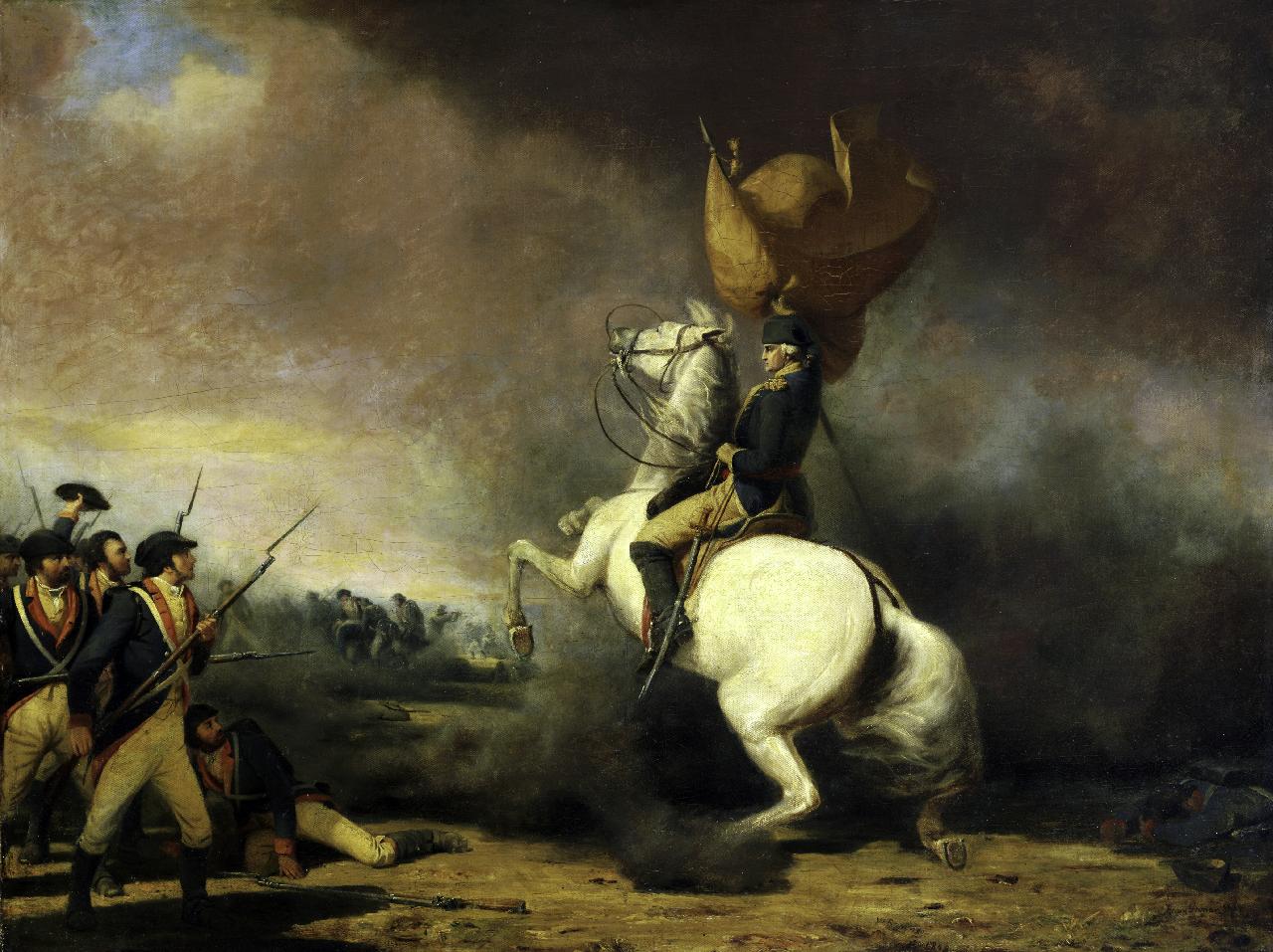
While there were presidents before George Washington, they presided over a different United States, so to say. So as we know, the United States declared independence in 1776. The Revolutionary War ended in 1783, and George Washington was elected in 1789. So we can see why during the most early years, right after the declaration of independence, there was no need to have a formalized president. We were in the middle of the war, and we had adequate military leadership. But as the war was nearing an end, there was a push for a more central leader.
And here John Hanson steps onto the stage. The year was 1781, and two things occurred. First, the adoption of the Articles of Confederation were passed. It was the first constitution of the United States, but it only provided a very weak central government. In 1787, there was a Constitutional Convention in Philadelphia. There the delegates were authorized to amend the articles, but in secret closed door meetings, a new Constitution was drawn up. It was that Constitution that gave the central government more power. It would be this second constitution that George Washington would be elected under.
The second important thing in 1781 though was the election of John Hanson as President of the Continental Congress, or as it was also called, President of the United States in Congress assembled. Now, the Articles of Confederation did not have an executive branch. And the President was more of a ceremonial title. But he was required to do a few things such as be a neutral moderator for discussions, sign documents and respond to correspondence.
Hanson would only served a 1 year term; however, that is because that was that the Articles stipulated. Now, part of the problem with his presidency though was that the Articles didn’t really define the office. This is what it has to say about the position: “The United States in Congress assembled shall have authority … to appoint one of their members to preside, provided that no person be allowed to serve in the office of president more than one year in any term of three years.”
However, in a book by Edward Cody Burnett, titled the Continental Congress, he makes the argument that others had previously held the office. First it was Samual Huntington, who was basically grandfathered in. He was already presiding over the Continental Congress, and when the Articles went into effect, he just remained. He would later be elected to the office, but he declined the position. Thomas McKean was then elected, but served only a few months, resigning when the British surrendered at Yorktown. A new session of Congress was then held, and it was there that Hanson was elected.
A quick note. Alfred Knopf wrote a book titled The New Nation: A History of the United States During the Confederation 1781-1789. He points out an interesting character by the name of Robert Morris. Through 1776-1777, he had conducted a lot of the Congress’s transactions, and in 1781, he was asked to serve as Financier, a position that had recently been created. He was reluctant to take the office, but Congress enticed him by giving him quite a bit of power. He was able to make all of his own appointments, with no say from Congress. Anyone in the government who handled money only served if he wanted them to. He could borrow money from any foreign country, and import and export goods, all on the country’s tab. He ran his own foreign affairs department, and could offer contracts to supply the army, without any say from Congress. He would then take over the Marine Department as well.
He actually backed governmental notes, with his own personal credit, which gave confidence back to money backed by the government. He was really the first executive officer of the United States, even though he wasn’t granted power from a constitution, but from Congress itself.
When we get down to it though, those presidents under the Articles of Confederation (12 individuals including Hanson) basically served as interim presidents. They didn’t run the country. They didn’t warrant blame or praise for what happened. They served as president, but in a much different fashion than George Washington and those who followed.
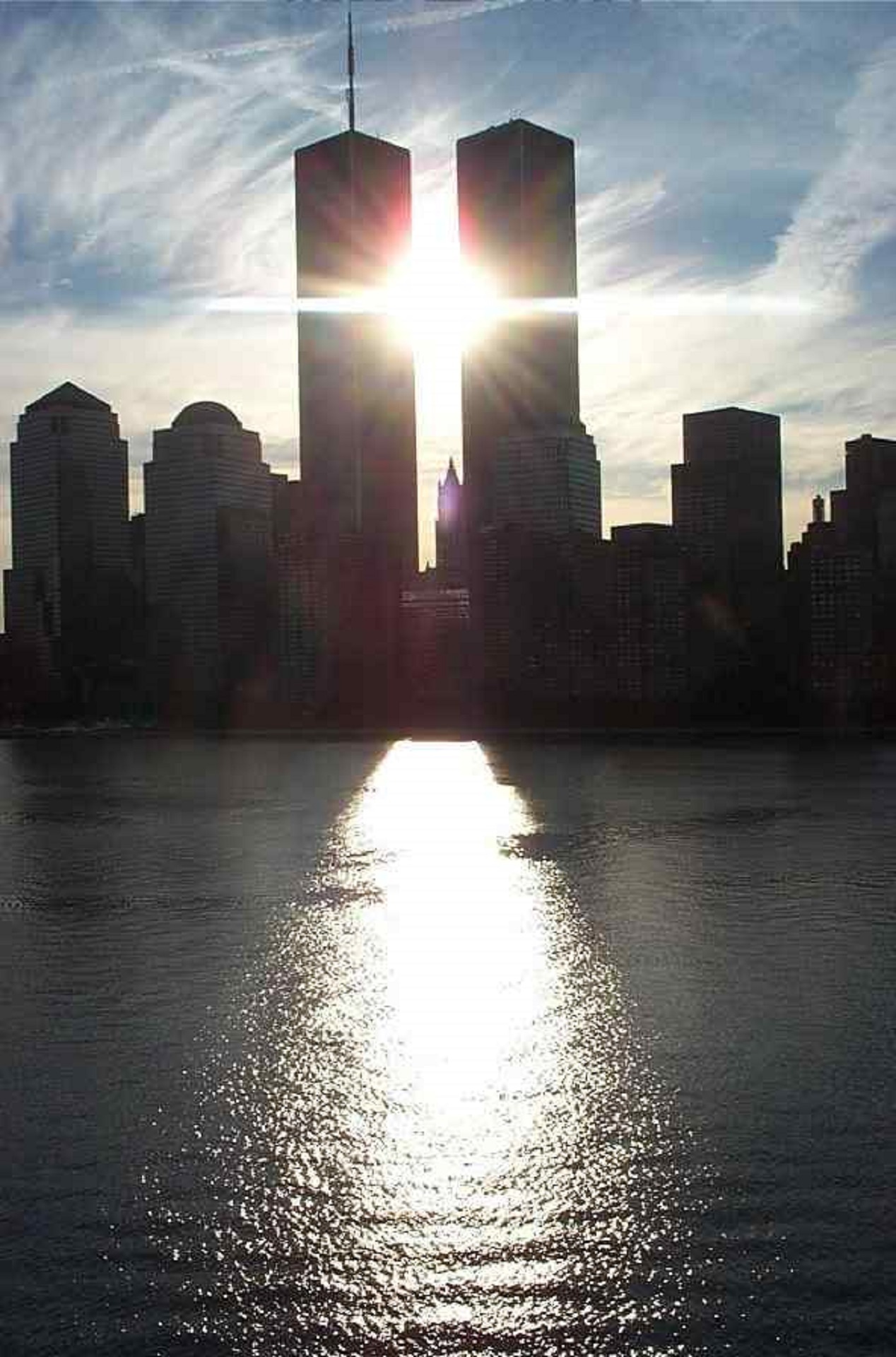
Never forget. It is a phrase on the nation’s lips every year around September 11th. As a country, we look back on the worse attack on American soil in recent history. The attack on the World Trade Centers changed the history of the United States.
As a historian, I appreciate dates and ideas that make us reflect on history. As with many of these sorts of events though, it also becomes clear just how fast our understanding of history can change. While social media was filled with individuals commemorating 9/11, many also used the day to flood the services with memes and stories that either tried to co op the day for political purposes, and further divide the country, or that spread a false national epic of how we as a country all came together.
For many, this has led us to forget a great deal. While we long for September 12th, when all Americans joined together, what we really long for is an idea that never was fully there, that is more a product of nostalgia than of reality. We forget the other half of the story.
While many would join arms to mourn those who lost their lives, and the heroes who sacrificed their all to save those they could, others were using the attack to create more division, and for some, to make a quick buck. Then, there were others who, while they mourned those who perished, also believed that the US had such an attack coming, that the country somehow deserved it.
In the days after the 9/11 attacks, various businesses would begin to price gouge. Even in small towns in North Dakota, where I lived at the time, gas stations and a few other businesses helped create additional panic by shooting up the price of fuel. Numerous lawsuits would eventually follow.
Others would go on to lie about how they survived the Twin Tower attacks, such as Alicia Esteve Head, also known as Tania Head. Head would later become the president of the World Trade Center Survivors’ Network, as she wound up front and center as a “survivor.” Yet at the time of the attacks, she was an ocean away, in her native city of Barcelona.
She would not be the only one to tell such a lie. Another famous case was Steve Rannazzisi, who later starred on the FXX show, “The League.” He would retell his tale of surviving the collapse of the World Trade Center, which he claimed motivated him to move to California and jump start his career as a comedian. Both would go on living that lie, of being a survivor, for over a decade.
Then, there were the conspiracy theories that sprouted up, and continue to grow today. In the days that followed the attack, conspiracy theories of how the United States faked the attacks, or manufactured the attacks quickly began to circulate. That the towers were rigged up with explosives to take them down, that the Pentagon was actually hit with a missile, or that nano thermite was somehow involved quickly kicked up a storm.
That the US sacrificed hundreds of its own citizens for some nefarious purpose, such as to wage a war against Saddam Hussein, would be promoted heavily, even allowing a few individuals to really kick of their own careers among conspiracy theorists.
But it was not just among the fringe that these ideas took hold. They largely became mainstream as people wanted a reason why we could have been attacked. How could the mightiest nation on earth be attacked so severely by a backwoods group of terrorists? For some, it was inconceivable. For others, it simply was too frightening. That some sort of US cabal was at the center of the attacks, while disheartening, still provided some comfort as it answered the question why better than the official narrative.
As we continue to move further away from the events of 9/11, and a whole new generation has lived, detached from the events, those theories have gained even more traction. The reason is because with time, many do forget. With time, it becomes easier to distance ourselves from those events, allowing for conspiracy theories to gain better hold.
However, there is also more to it. Simply, our memories are flawed. As we retrieve those memories about 9/11, we also reprocess them, and in time, change them. Other information is added to our recollections, and certain things are brushed off. Our reality changes, and we fall victim to the passing of time. That is not to say that our memories cannot be trusted at all, as we do retain the gist. But we also must be aware of how time changes how we remember various events.
Nostalgia is also a very powerful tool when it comes to us remembering the past, or forgetting it. It helps lull us into the grass is greener fallacy, where a fantasy of a bygone time is created in opposition to our own current reality. Today we face an ever-growing division in the country, so we create a past in which the nation joined as one.
Ironically, as many lament this growing divide, they also continue to add to it. As memes flooded social media around the anniversary of 9/11, many could not help but to use it as just one more political opportunity. As they claimed how they wanted that unity that they remembered on September 12, 2001, they did so by blaming the division on “others.”
Blame was heaped on Democrats, as well as Republicans. Some pointed at centrists or moderates. Other’s pointed to football players, or athletes in general. And the ever-present boogeyman, either the communist or socialist, also received a healthy dose of blame as well.
However, that nostalgia, that idea of unity, does not have to go to waste. We do not have to look to some golden age, or a bygone time in order to achieve a togetherness that many of us want. As Ghandi famously said, we can be the change we want to see in this world.
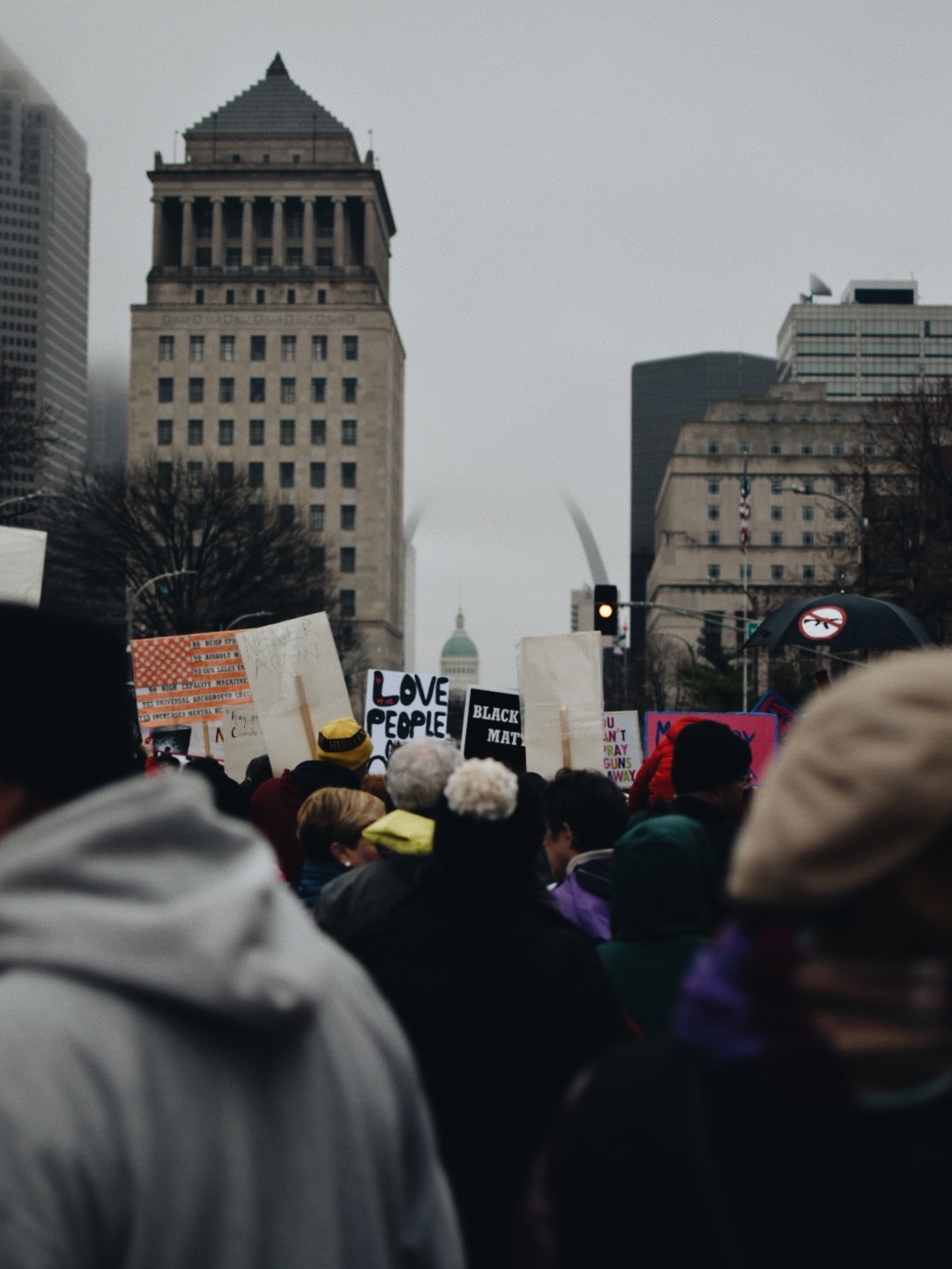
We have the opportunity to close the division that exists in our country. We do not need an event like 9/11 to achieve such. Instead, we just need understanding, and most of all, respect. We must accept that others have different views, and different ideas. We may disagree with them, but we can do so civilly.
Part of that is simply having open discussions, so we can see where others are coming from. That means we must drop the insults, and the portrayal of those who disagree as some kind of “other” that is less. It will take work, but together we can find that unity so many deeply desire.
Art
can be a powerful tool. It can be used to evoke immense emotions.
That is one reason that art is so useful when it comes to propaganda.
It can relate a clear message without ever having to say a word.
When
art does evoke a reaction, either positive or negative, we shouldn’t
be surprised. Depending on what the message is, that reaction may
even be immediate; something that is guttural. When such a reaction
is brought forth, it can be hard to take a step back and really
examine the piece of art that gave us such a reaction, as we
naturally work towards justifying that base reaction.
This
reaction is going to be different for everyone, and that is something
we must remember and be aware of. Just because a piece of art
represents one thing for us, that doesn’t means it will represent
something similar to others. They may see something completely
different, and it’s not necessarily because they are looking for that
particular meaning.
In
Bismarck, ND, all of this has come together for what really has
become a perfect storm. As a city that is divided, a piece of art has
become just one more wedge that continues to split citizens. The art
piece, a photo of a young woman, Greta Thunberg, has become a symbol
for much more, with both sides using her for their own narratives.
Attempting
to take a step back from the situation, it shouldn’t be surprising
that the proposal to have this image displayed on a downtown building
received some amount of push back. Especially when we consider that
the majority of the push back came through social media. Sadly,
social media, for all of its positives, also has the negative
consequence of allowing minority views to appear much larger than
they are, and in effect, gain undue power. In conjunction with this,
social media has made it much easier to manufacture outrage, which
can take on a life of its own.
The Art and Artist
To
be transparent, I like Shane Balkowitsch. He’s an extremely talented
artist who has brought a great amount of exposure to his beloved wet
plate procedure. He’s exceptionally passionate about what he does and
the issues that he backs. And what may be most admirable about him is
that he isn’t just about mixing words, but he is a man of action.
It
was that passion that led him to follow the story of Greta Thunberg,
and jump at the chance of capturing her in silver. Capturing her, for
Shane, was capturing history. And that is history that he wants to
share with others. Not everyone shares in that sentiment though.
Greta
has become a divisive character, and not necessarily for who she is,
but who people see her as, and what they affiliate with her. Because
of that, multiple sides have decided to use her for their own goals.
Sadly, that has devolved into also transforming her into a meme that
both sides use to poke fun at each other.
It
is that environment that a mural of Greta was proposed to be placed
on a building in downtown Bismarck. Upon hearing that proposal, there
was a minority that did push back, and they did so with threats. As
often is the case, negativity was met with more negativity, allowing
for outrage to be manufactured for a variety of purposes.
Manufactured Outrage
Social
media has provided a great number of benefits. It allows families and
friends to stay connected even when they are apart. It allows us to
connect with new people, and sometimes have great exchanges.
It
has also allowed the manufacturing of outrage to become much easier.
When news first broke that the Greta mural was to be put up, it
should have been no surprise that some people would oppose it. It’s
not that Bismarck is backwards, but it’s because Greta has become
politicized. When a business in Fargo decided to allow the mural
instead, there was also push back there as well.
If
you read the comments from any article dealing with the Greta mural,
there are those who oppose it, no matter where it is. No one, and no
art, is going to be loved universally.
Instead
of just dying out though, with some other outrage replacing it,
groups used it in order to manufacture an outrage that was much more.
Outrage, after all, can be a powerful thing.
One
group that built on the outrage was a local blog, The Minuteman.
Again, to be upfront, I’m not a fan of The Minuteman Blog. But they
are good at manufacturing outrage. They opposed the mural and then
were able to build on the continuing controversy, and by the amount
of comments and shares they received, they did so quite successfully.
While
I may not agree with their stance, and many of the things they were
to say in their blog posts, I support their right to say what they
did. That is something that has largely been missed in all of this;
the freedom of speech.
This
works for both sides. Shane had the right to display his photo and
the message that went with it. It truly is a shame that because of
the view of some, that opportunity was taken away. But those who
oppose the mural also had the right to voice their dissatisfaction,
as does The MinuteMan.
Just
because we have the right to make our voices heard though doesn’t
mean all views will be equal.
Stop with the Nazis
A
sure fire way to create outrage is to bring up Hitler, the Nazis, or
the Holocaust. The further we move away from the events of WWII, the
more frequent such comparisons to Hitler or the like seem to appear.
I’m
personally opposed to such comparisons, as they are overused, aren’t
accurate, and really are an offense to what occurred during the
period surrounding WWII. The mention of Hitler and Nazis has become
more mundane, which largely glosses over history.
Both
Shane and The MinuteMan have used Hitler or the Nazis in their own
rhetoric. The Minuteman goes as far as to justify their use by saying
that Shane did it first.
For
Shane, he used a reference to Hitler in a wetplate photo that was
meant to portray President Trump. In it, he gives the Trump figure
the standard mustache associated with Hitler.
Is
Trump the next Hitler? No. While I don’t like Trump, I also
acknowledge that he isn’t a Hitleresque figure, nor does he have a
path to become like Hitler, even if he chose to. Shane has every
right to create a piece likening Trump to Hitler, but for me, it’s
insulting to history. That isn’t Shane’s intention, but such
comparisons to Hitler demean the evil that Hitler unleashed. It
demeans the millions that were exterminated because they weren’t
perceived as humans.
The
MinuteMan uses this image to justify linking Shane with Nazi
ideology. While they don’t state that Shane supports the Nazis, or is
sympathetic to them, they do tie him with the Nazis by mentioning
that Shane owns a Porsche, and Ferdinand Porsche was an avowed Nazi.
Such
comparisons really are infantile though. If we look at the Nazi
impact on the world, we can find many things that we use that Nazis
also used, or had some hand in creating. The U.S. mission to the moon
was also helped along by Nazis. To try to take an extremely
complicated subject and turn it into a black and white idea simply
doesn’t work.
While
The MinuteMan may not have directly called Shane a Nazi sympathizer,
their intent was clear. And that is a problem with bringing Nazis
into everything. It waters the history down so much as to be
meaningless. By doing that, we ignore the atrocities that did happen.
We forget the people who suffered.
Stop Silencing the Other
What
all of this has boiled down to though are attempts to silence those
that one doesn’t agree with, and in turn, it creates idealized
martyrs. Attempting to prevent art to be hung on private property is
uncalled for, for the most part. We may not agree with the message
that is being portrayed, but if we try to restrict all opposing
views, we can’t be surprised when our own views become restricted.
And
while some may say that the mural of Greta is just a photo, it’s just
art, that simply is not true. There was a clear message behind it.
The title, Standing for Us All, helps to make that clear. And in the
aftermath, that message only becomes more clear. Greta’s image has
become much more than just a young woman; it’s attached to an
ideology. It’s why she can so easily be used for memes.
At
the same time though, the response, to try to silence The MinuteMan,
also is uncalled for. They have a right to publish their views, even
if they are wrong. But there is another issue with them. They have
made themselves anonymous.
Personally,
I do have an issue with that. I think if you’re going to protest
anything, if you’re going to try to make your voice heard, you should
have the courage to put your face with it. I held this same view
while masked individuals protested the Dakota Access Pipeline. We
shouldn’t hide behind anonymity.
But
I can see why people do. As some argued during the DAPL protest, some
hid their faces as to not face possible ramifications, such as the
loss of their jobs. Many who made that argument are now also calling
for the unmasking of The MinuteMan. You can’t have it both ways
though.
I
understand Shane’s want to face The MinuteMan face to face. Anonymity
is a hindrance, and often it makes people feel as if they are
untouchable, which leads to a lot of negativity. But offering a
bounty to unmask someone, especially during a time of outrage, leads
nowhere good. It leads to doxing, to threats, and possible harm,
especially when there is mob mentality involved. It makes a bad
situation worse.
No One Wins
In
the end, no one really wins when outrage is manufactured as it has
been in this situation. No real progress is made, and instead, shame
is passed around equally. Both sides have attempted to claim victory
here, and they will support their own views. But the community as a
whole has lost.
Throughout
the fighting, all that occurred was that people became more
entrenched in their own views. What largely lacked was meaningful
conversations that tried to bridge the divide.
Both
sides came out of this believing that their side was morally
superior, that they were in the right. But what much of it came down
to was hypocrisy and demonizing the other. This has come to light
especially in later conversations that occurred.
Two
examples should suffice. First, after the proposed mural was rejected
by one business in Bismarck, another in Fargo offered to take it.
Many praised Fargo for being so much more progressive. Yet, the same
reaction was also seen there.
A
minority of people there also objected to the mural, and many of
those people proposed to boycott the business. The view was largely
the same in both areas. But the dissent in Fargo was largely ignored
because the business didn’t bow out, but then again, the dissent
wasn’t a surprise to them because they had a better idea of what they
were getting into. It also probably didn’t hurt that so much
attention was being placed on the issue either, which is rather good
publicity.
The
business owner may have also realized that such threat of boycotts
largely amount to nothing, as the people boycotting either will
forget about it, or weren’t patrons of the establishment. That’s not
to say that boycotting can’t work, but it takes a much more organized
approach to work.
Second,
there is every reason to believe that those getting upset about this
piece of art being protested would also get up in arms if a piece of
art they didn’t like was proposed for public display. This isn’t just
a hunch, but was demonstrated a number of times.
An
example that a local scholar made was that he wouldn’t be upset if a
hypothetical photo of Sarah Palin, with the words Drill Baby Drill
over it, were proposed for the same area. It wouldn’t effect him, and
I completely trust that it wouldn’t. But many people aren’t like him.
In
discussing his example, a number of people made it very clear that
they would oppose such a display. There were numerous excuses as to
why they would oppose it, but it really came down to the same reason
that the mural of Greta was opposed. They didn’t agree with the
message, and thus it wasn’t worthy of display.
The
scholar gave a second example as well, one that wasn’t hypothetical.
He spoke of seeing a sign that said White Lives Matter in a North
Dakotan town. He didn’t oppose the freedom of speech there. Similar
signs also went up in Bismarck, and many of those upset about the
mural being protested also were enraged by those signs.
With
freedom of speech, we can’t pick and choose what we want to protect
and what we don’t. It all has to be protected. Otherwise the freedom
of speech becomes meaningless. Whether one likes the mural of Greta
or not, there is no reason to try to silence it. Because if one tries
to do that, they have little room to complain when they are also
silenced.
In
the end, what this creates is just a long cycle of trying to silence
the other, and with that, everyone loses. There are no winners when
the community as a whole is torn apart.
Instead,
the mural of Greta could have been used to spark meaningful
conversation, and hopefully some understanding. At the end of the
day, we don’t all need to agree, but if we can have open discussions,
we may just be able to help fix the divide, and in turn, see where
the other is coming from. And if we can do that, then maybe we will
be open to seeing the other side, and vice versa.
We are all responsible for making sure
the things we share are accurate. If not, we become part of the
problem in spreading misinformation. But it’s understandable why we
often don’t double check our information. We expect others to be
truthful.
But there is something more as well.
When we find information that fits our worldview, we are more
inclined to believe it. That is most likely the biggest factor as to
why this particular meme has spread so widely.
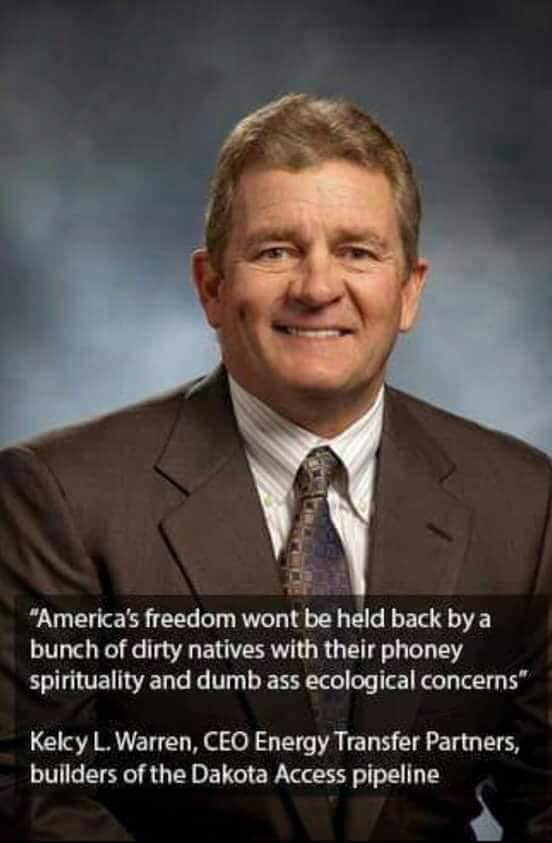
Kelcy Warren can be criticized for a
number of things. However, the quote attributed to him is
unsubstantiated. It really amounts to a rumor, as there are no
sources that confirm this is a quote from him. There simply is no
evidence he said what’s in this quote.
If one takes a step back, the likely
hood of Warren saying something like this, at least publicly, appears
to be incredibly unlikely. This statement reportedly was said while
the protest against the Dakota Access Pipeline was still underway.
For Warren to have said this at that time would have gravely hurt
what he was attempting to do. It would have been a public relations
nightmare.
Say what you will about Warren, but he
is a savvy businessman. Making such a fundamental mistake is
incredibly unlikely.
So why is it shared, and defended so
vigorously years later? It’s because the quote fits the worldview of
those sharing it. For them, Warren is a racist monster who is fueled
by greed. Essentially, they have dehumanized Warren, and by doing so,
it becomes easy to accept any negative thing said about him.
The bigger problem though is the
ramifications of spreading such misinformation. Besides dehumanizing
someone seen as an enemy, it also begins to strip away any
credibility the group or person has who is sharing this
misinformation.
In this case, by sharing something that
is easily fact checked and shown to be inaccurate, the group opens
itself up to further criticism. It can be used to completely dismiss
the group because if they believe such easily shown lies, how can
they be credible? (that argument isn’t accurate anyway, but it’s the
sort of argument that is used quite often). If they support something
clearly false, can they be believed?
This sort of argument isn’t new. In
fact, it is a common tactic used in propaganda. The tactic is feeding
information to the opposition’s group, and then debunking it, in
order to discredit the opposition. It’s a tactic that has been used
throughout history. And the reason they do that is because it is so
effective.
I’m not saying that supporters of DAPL
or Warren made this meme and fed it to their opposition. It could
have been created by someone who opposes DAPL or Warren. But the
effect is the same either way, the opposition group is discredited
because they aren’t fact checking.
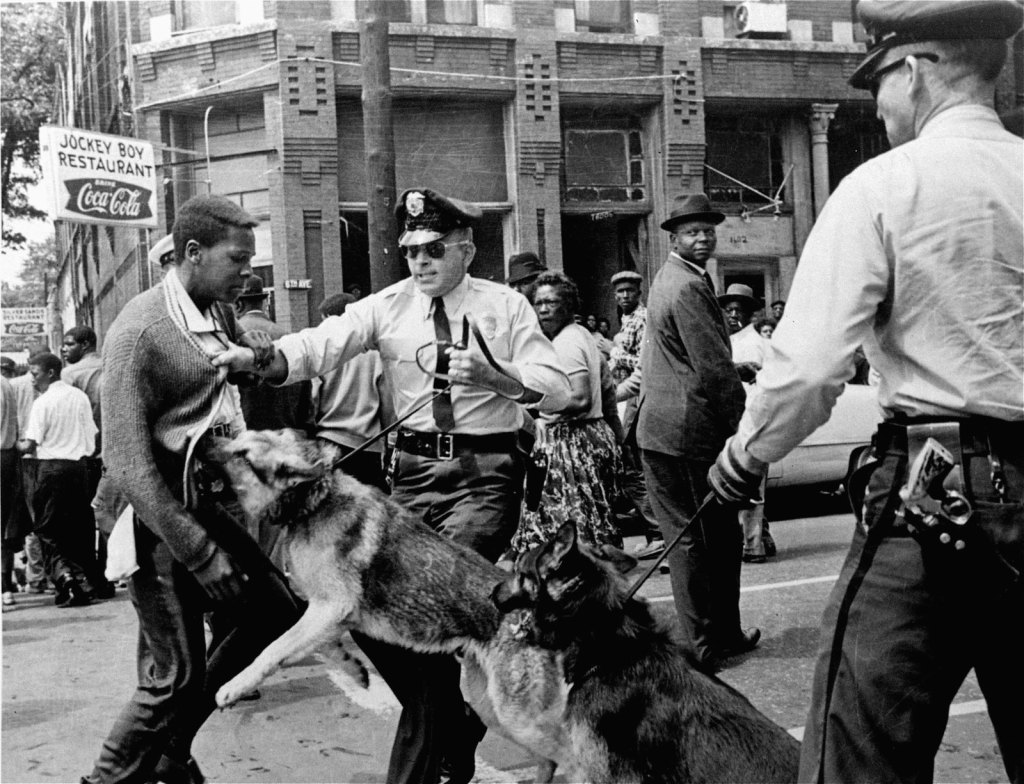
Walter Gadsen and R.E. Middleton in a photo that has told a million tales. Often it is seen as an image that portrays racism, but neither of the participants saw it as such.
Lately, I’ve been called racist quite a
few times. Those who don’t know me may argue that maybe it’s because
I’m actually racist, as well, people are saying it. But I’d argue
that there is a different issue at play; people over use the term
racist, and level it at people whom they disagree with.
Many of the times in which I’ve been
called racist, the topic at hand is one where I’m looking at the gray
areas on an issue. For instance, when I argued that Columbus was a
bad person, but he isn’t guilty of everything leveled at him, the
response was that I’m racist. Or when I argued that people are born
with prejudices, as studies continue to show, it means I’m racist.
The correct answer that people were looking for in those cases was
that Columbus is guilty of everything anyone claims he has done
because he’s terrible, and people are programmed to be racist by
other racist people.
But the answers those people were
looking for weren’t accurate. However, it’s understandable, as humans
are prone to making categorizations, and separating people into those
categorizations. We do this automatically, and instantly. It’s a
guttural reaction that is meant to protect us from others. Only later
do we begin to rationalize this process, and we do so by trying to
defend our position.
Awhile back, I was recommended the
book, The Righteous Mind by Jonathan Haidt (I just want to thank that
person who recommended it again, great read. I’m not sure what the
protocol on tagging people in situations like this, which is why I’m
erring on the side of not).
Haidt breaks this down in a great way,
and demonstrates how this emotional, or guttural reactions is
automatic. We do it without thinking; it’s just ingrained in us. We
then try to rationalize those ideas. At times we can see the folly in
that reasoning, but the reasoning is secondary, which is one reason
we become defensive, and at that point, we really just shut off other
views. This is one reason why we tend to see in black and white.
This is where the leveling of the claim
that others are racist comes in. Most of us don’t see ourselves as
racist. So when someone says something that goes against our views,
and briefly touches on race (or is thought to touch on race even
distantly), it becomes easy to see that person as an other, and thus
racist. Often the person isn’t racist though, they simply have a
different view point.
By labeling everything as racist, or
labeling everyone who has a different view as racist, only detracts
from what the word means. It dilutes it so much as to mean nothing,
and it instantly prohibits any meaningful conversation.
Just as an aside. One comment that I
see come up quite a bit is that only white people can be racist.
That’s simply false. Racism is simply a prejudice against someone of
another perceived race, based on the idea that one’s own race is
superior. Everyone can be guilty of this. A white person saying
blacks are inferior is racists. A black person saying whites are
inferior is also racist, by definition.